Photography Workshops and Training
On June 25, 2023, I had the pleasure of hosting my first photography lighting workshop. The session was designed to enhance participants’ understanding and application of lighting techniques in photography. We began the day with some housekeeping notes and introductions. Emily, my co-facilitator, and I shared our experiences and discussed the importance of learning lighting fundamentals to elevate photography skills.

Lighting Fundamentals
The Importance of Lighting
During the workshop, I emphasized that in portrait, fashion, beauty, and lifestyle photography, the three creative fundamentals are lighting, styling, and posing. Among these, lighting is the most crucial element. Without good lighting, it’s challenging to create a compelling image. Proper lighting can transform a photo, enhancing its mood and evoking emotions. Light is the magic element that helps achieve memorable photographs.
Soft Light vs. Hard Light
Soft Light
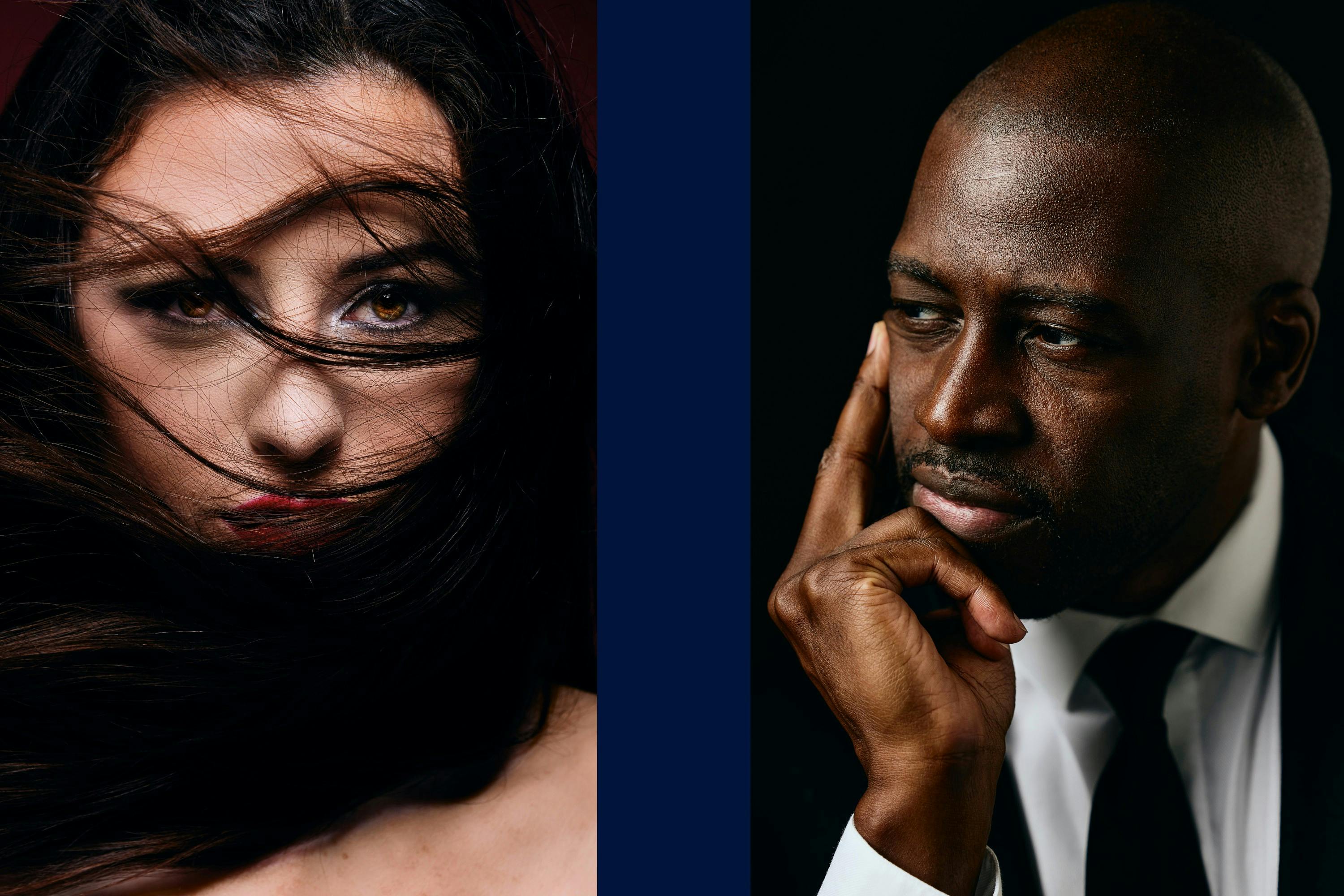
I explained that soft light creates a diffused and flattering illumination that wraps around your subject. Generally, the larger the light source, the softer the light. For example, light coming through a window on a cloudy day. This type of light is ideal for creating gentle, natural-looking images.
Hard Light
In contrast, hard light creates contrast and shows more pronounced transitions from light to dark. It is usually produced by a small, direct light source, such as the sun at 2 PM. Hard light is great for creating dramatic and edgy images, highlighting textures and shapes.

Directions of Light
Understanding the direction of light is essential in photography. We covered the four primary directions:
- Front Light: When the light is behind the photographer, facing the subject directly. This results in flat and even lighting with no shadows.
- Side Light: When the main light source illuminates your subject from the side, creating depth. One side of the subject’s face is lit while the other falls into shadow.
- Back Light: When the main light source comes from behind the subject. This often creates a strong silhouette unless balanced with another light to fill in light on the subject’s face.
- Overhead Light: When the light source is placed above your subject’s head. Think of midday sun outside, which illuminates your subject from above, resulting in hard shadows under the nose and chin.


Lighting Equipment
To achieve the desired lighting effect, various equipment can be used. We discussed:
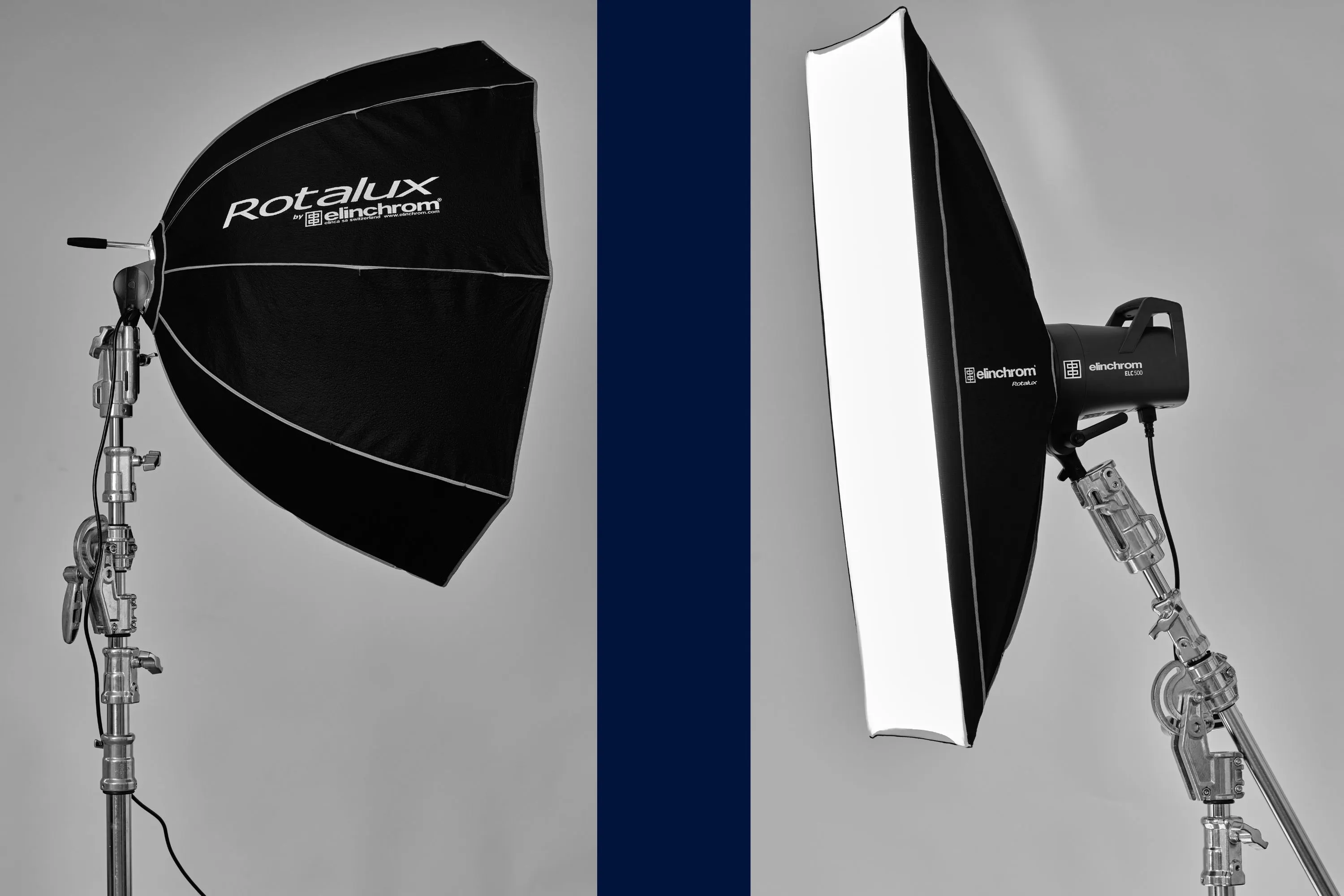
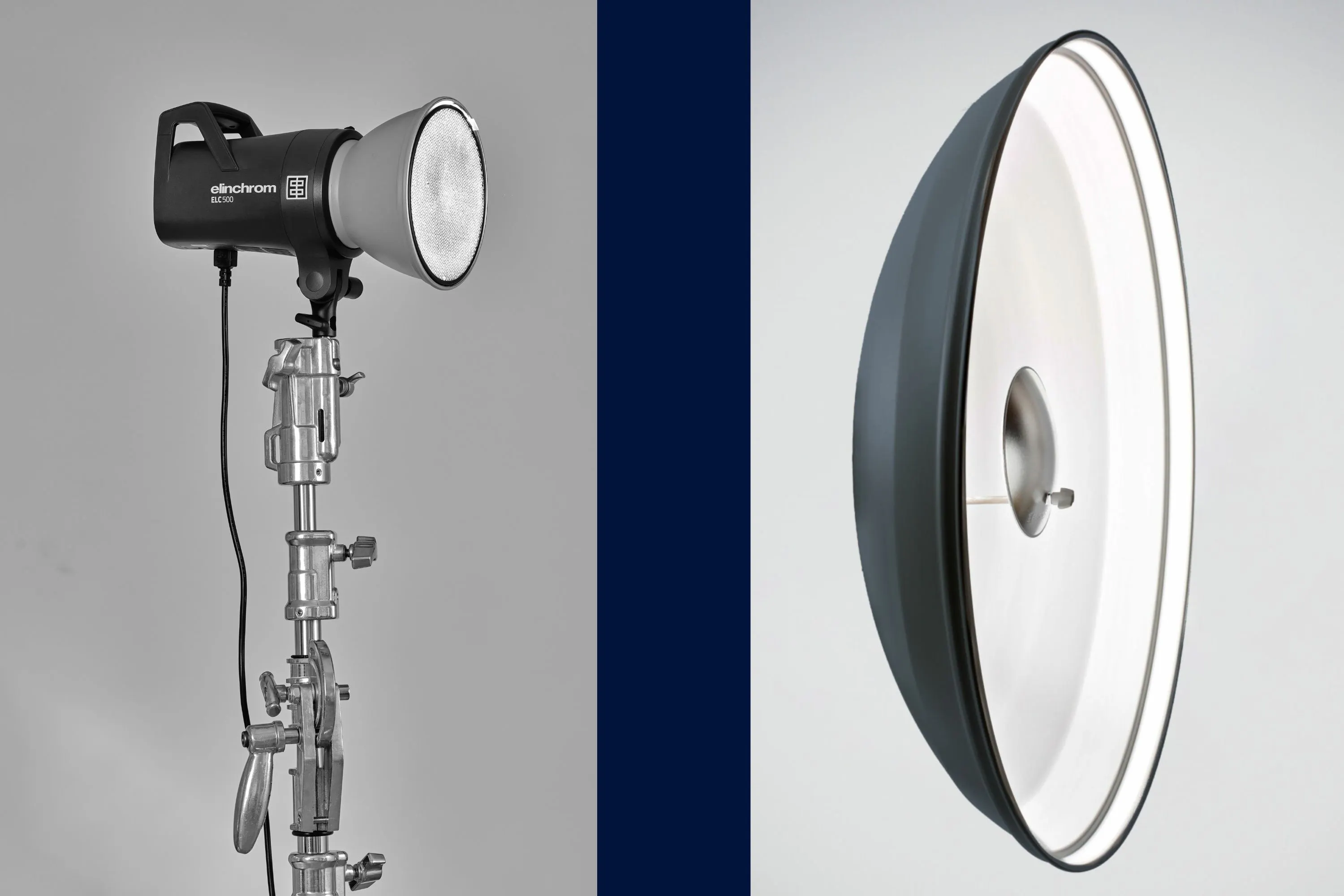
- Softboxes: Large softbox produces soft light, while a small light source produces harder light. The further the light source, the harder the light becomes. Examples included Octa, Strip light, Standard Reflector, and Beauty Dish.
- Different Lights: Monolights, Battery Heads, and Hot Shoe Flash.
- Grip Equipment: Lighting stands and boom stands to position your lights.
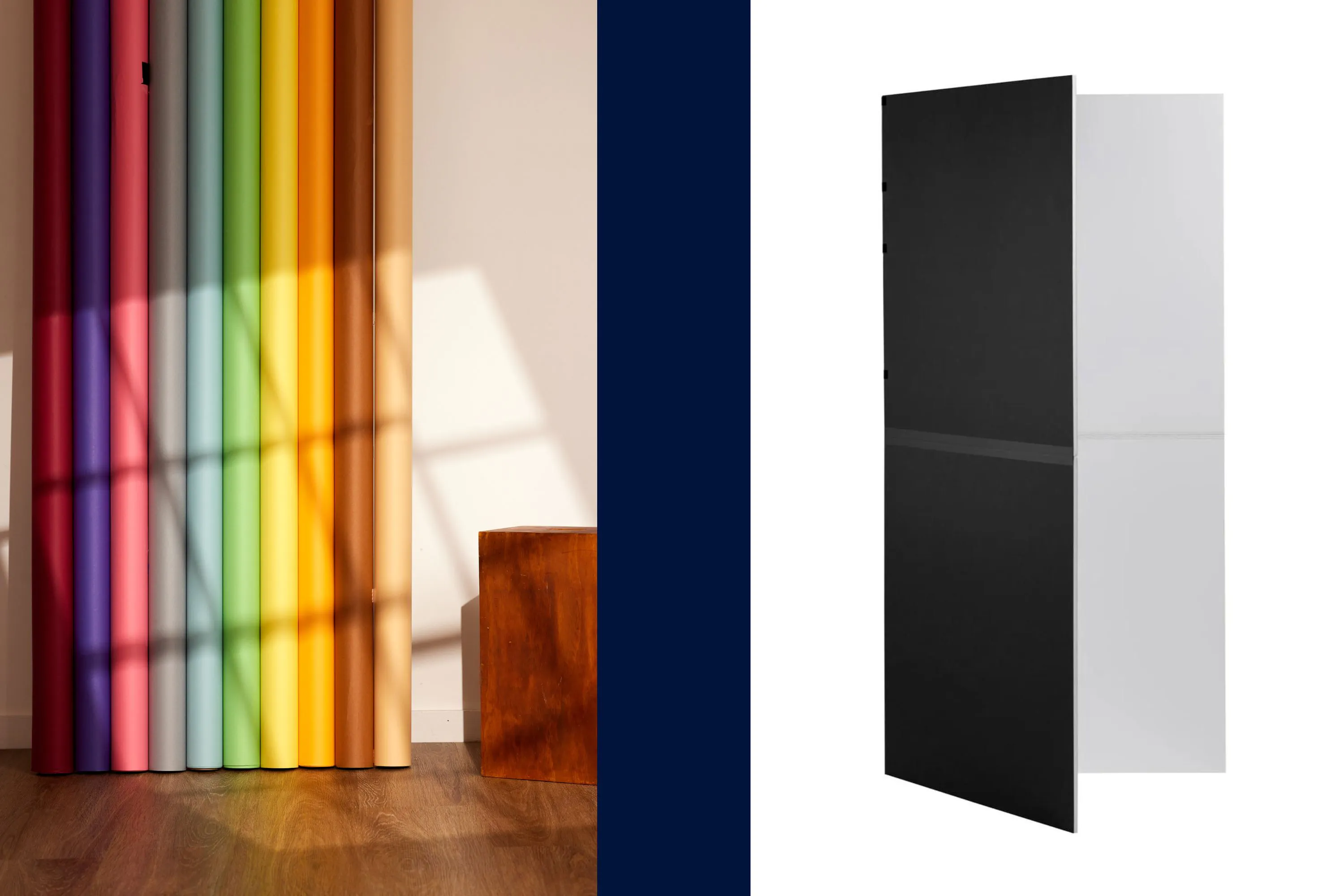
- Backgrounds: Paper backgrounds, canvas, and other options.
- Reflectors: White and black reflectors to control and bounce light.
Camera Settings
We also covered recommended camera settings for studio photography. A good starting point is ISO 400, f/5.6, 1/100s, and a white balance of 5300K. These settings provide a balanced exposure to work from.