Black and White Portrait Photography: From Soft Light to Cinematic Hard Light
I've been working on a black and white portrait series for a while now, and it's slowly become one of the most rewarding things I do in the studio. No client brief, no agenda, just people, light, and a camera tethered to Capture One with the saturation pulled all the way down so I'm seeing in monochrome from the very first frame.
What I didn't expect when I started was how much the lighting itself would evolve. The series began with soft, flattering editorial light. Somewhere along the way it shifted into harder, more cinematic territory, and the portraits started to feel like something else entirely.
This is a bit of a reflection on that shift, with some observations from the shoots, a few notes on the technical side, and what I've learned about photographing people without color to lean on.
Why Black and White Portrait Photography Still Holds Up
Colour carries information. It tells you what someone is wearing, what the wall behind them looks like, what time of day it is. Strip it away and most of that noise disappears. You're left with shape, tone, expression, and the geometry of light on a face.
That's really the appeal of black and white portrait photography. It edits the frame for you. The eye stops cataloguing the scene and starts reading the person.
There's also something about monochrome that ages well. A colour portrait often dates itself by its grading, the fashion, the white balance trends of the moment. A good black and white portrait tends to sit outside of time. Timeless portrait photography isn't a marketing phrase, it's a genuine quality of the medium. The portraits I shot in the first month of this project still feel like they belong with the ones I shot last week.
Shooting Tethered in Black and White
A small workflow choice that changed a lot for me: I shoot tethered into Capture One with a black and white preview applied across the session. Saturation off, contrast nudged up slightly, and a clean monochrome rendering as my reference.
It sounds minor but it changes how you light. You stop worrying about whether a skin tone is warm enough, or whether a red shirt is going to dominate the frame. You start watching the falloff on the cheekbone, the catch in the eye, the separation between shoulder and background. The decisions become structural rather than cosmetic.
For photographers thinking about trying this, it's worth doing even if you plan to deliver in color too. You can always switch the preview back. But shooting with a mono reference trains your eye to think in light and shadow first.
How the Lighting Evolved Across the Series
Starting With Soft Light
Early in the project I leaned on a big octabox, usually camera-left and slightly above, with a subtle fill. Classic soft light portrait photography. Wraparound shadows, gentle transitions, very forgiving on skin.
It worked. The portraits were nice. But after a while "nice" started to feel like the ceiling. Everyone looked a little too polished, a little too similar. Soft light flatters almost everyone the same way, and that turned out to be the problem. The portraits weren't differentiating the subjects enough.
Adding a Grid to the Octa
One of the simplest changes that made a real difference was putting a grid on the octabox. A 100cm octa with a grid is still soft light, but it stops behaving like a giant wash. The grid narrows the spread, focuses the light on the subject, and lets the background fall off into something darker and more controlled.
It's a small modification that pushes soft light closer to editorial territory without losing the kindness of the modifier. The shadows still wrap, but the frame as a whole gets more shape and intent.
Moving Toward Beauty Dishes, Grids, and Centre Reflectors
The next phase was a slow walk toward harder modifiers. A beauty dish with a grid. A centre reflector to redirect light back through the dish for more punch. Tighter control, more falloff, more shape in the cheekbones and jawline.
This is where the look started shifting into editorial portrait photography territory. The shadows had more weight to them. Skin texture began to read as character rather than something to soften out.
Rediscovering the Elinchrom High Performance Reflector
The real turning point came when I dug out my Elinchrom High Performance Reflector. I've owned it for 15 years. It sat in a corner getting ignored for most of that time because I'd convinced myself it was too harsh for portraits.
I was wrong about that.
That reflector throws a beam of light that's directional, contrasty, and full of character. Used carefully, with the right distance and angle, it does something to a face that no softbox can do. The shadows have edges. The highlights have weight. There's a sculptural quality to it that suits black and white perfectly.
I've fallen back in love with it. It's now the modifier I reach for first when a subject walks in with strong features or an energy that can carry contrast.
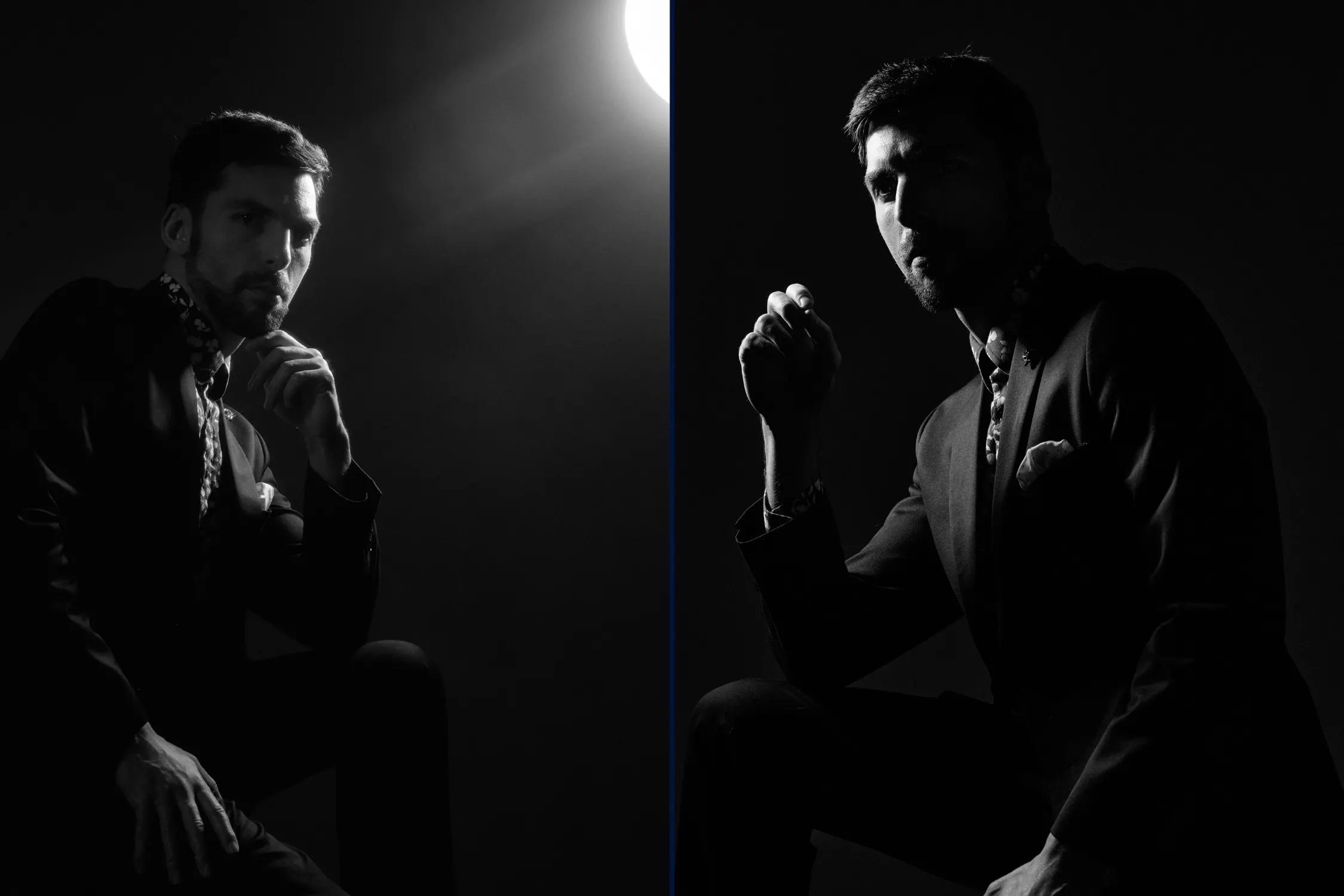
Soft Light vs Hard Light in Black and White Portraiture
This is probably the most useful comparison I can offer for anyone thinking about black and white portrait lighting.
What Soft Light Does
Soft light smooths, flatters, and unifies. It's forgiving on imperfections, kind to skin, and great for warm, approachable portraits. It tends to feel intimate and accessible. The trade-off is that it can flatten the structure of a face, and across many subjects the results can start to look interchangeable.
What Hard Light Does
Hard light sculpts. It carves out cheekbones, defines the jaw, deepens the eyes. It demands more from the subject and from the photographer, because every degree of head turn changes the shadow shape dramatically. The trade-off is risk. Hard light is unforgiving, and not every face or mood suits it.
Why Hard Light Suits Black and White
In black and white specifically, hard light has an advantage that's hard to overstate: contrast becomes the subject. The frame stops being about the person standing in front of a background and starts being about the relationship between light and dark across their face. That's where the cinematic portrait lighting feeling comes from. It's why noir-inspired portraits still feel powerful nearly a century after the look was invented.
Soft light is a hug. Hard light is a statement.
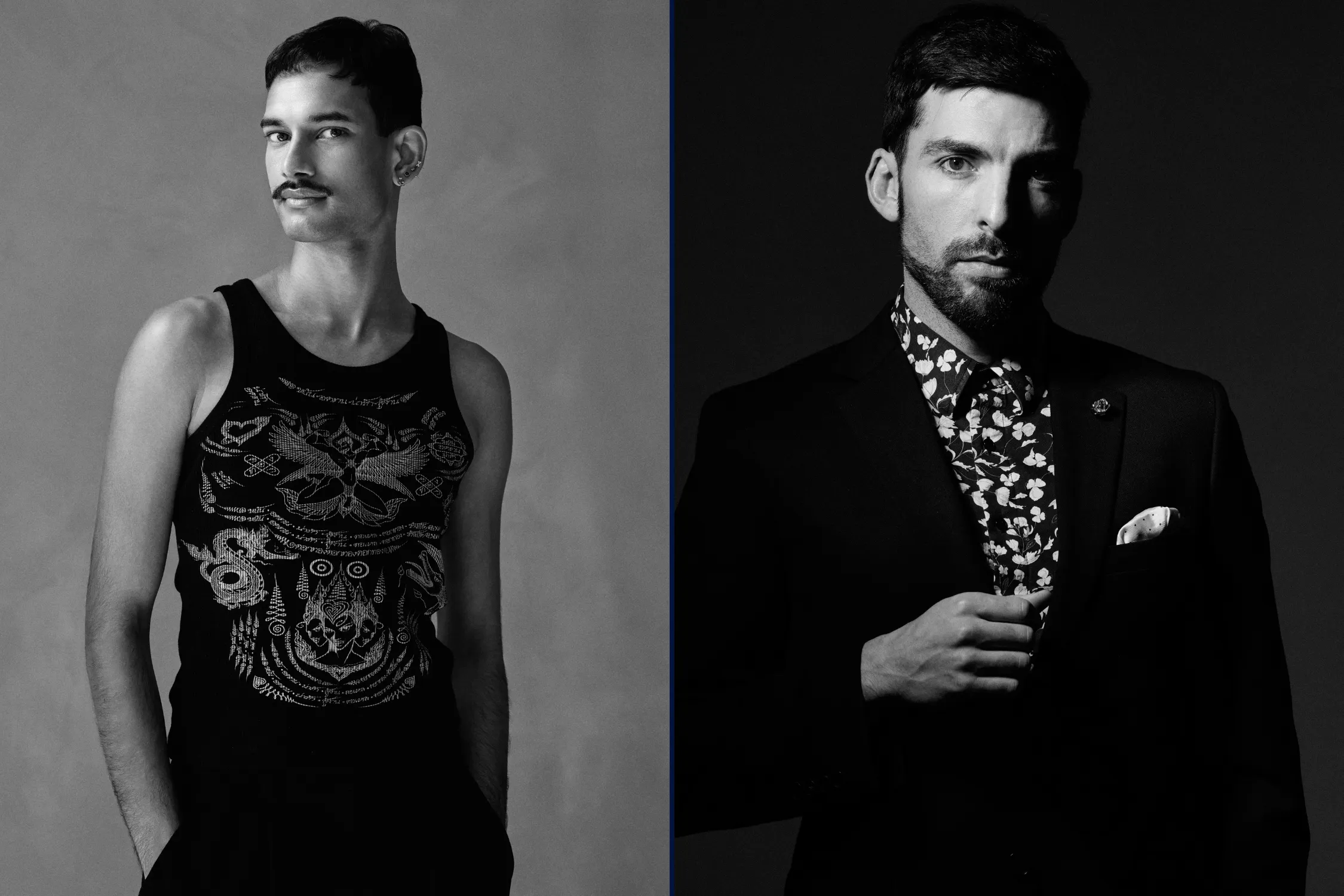
Deciding the Light On the Day
I don't pre-plan most of these sessions in detail. I'll usually know the modifier I want to start with maybe an hour before the subject arrives, sometimes less. The rest gets decided in the first few minutes once they're in the studio.
This isn't laziness, it's deliberate. People bring energy with them. A subject who walks in laughing and full of stories can suit hard light just as easily as someone who arrives quiet and considered. Locking in a setup before you've met them means you're lighting your idea of them, not them.
Flexibility beats overplanning, at least for this kind of work. The gear is set up, the backdrop is ready, but the final lighting choice happens after the conversation starts.
Personality Over Posing
The longer I do this, the less I care about posing in the traditional sense. Posing creates pictures of people pretending to be relaxed. Conversation creates pictures of people actually being themselves.
Three sessions from the series stand out for very different reasons.
Shaneel
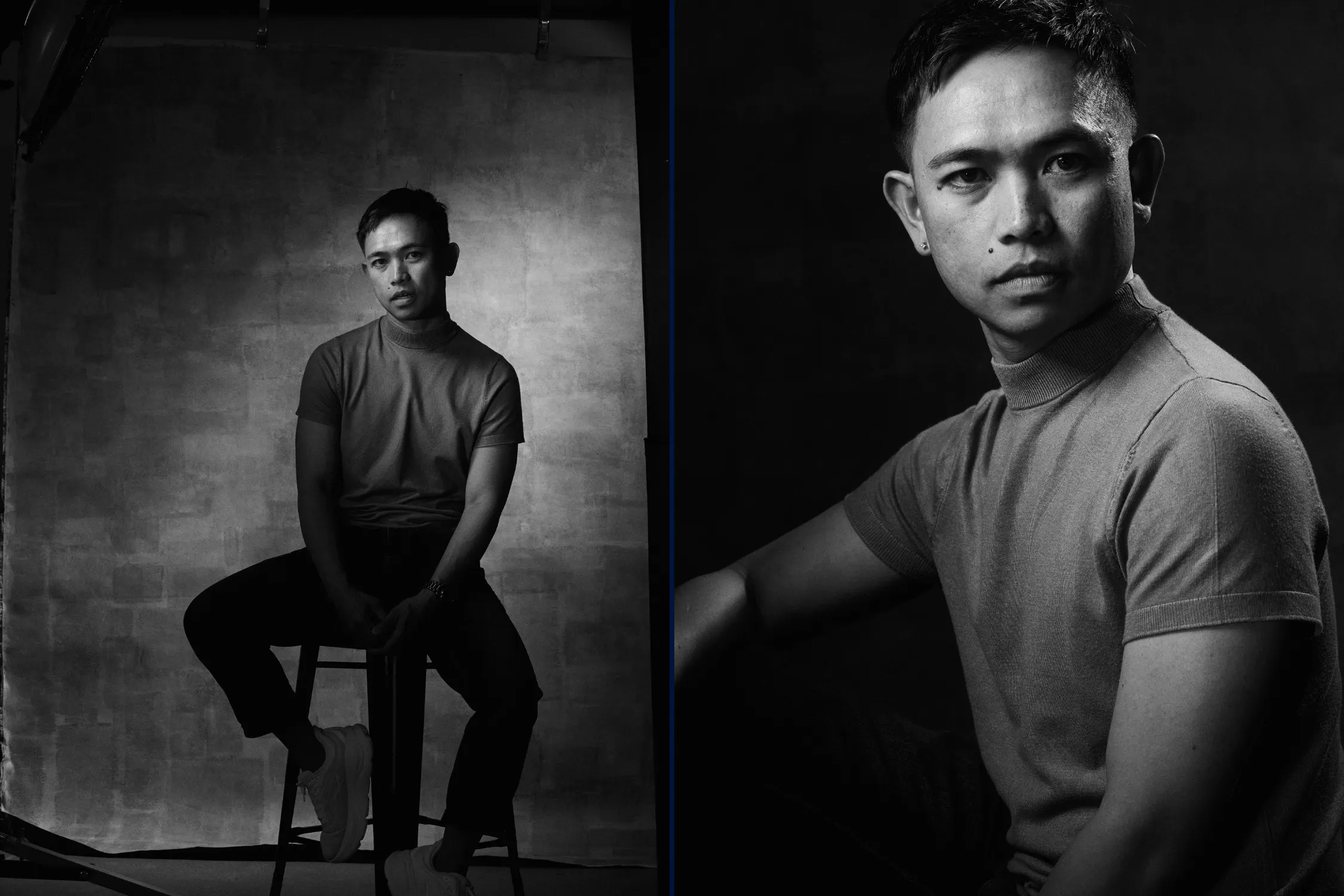
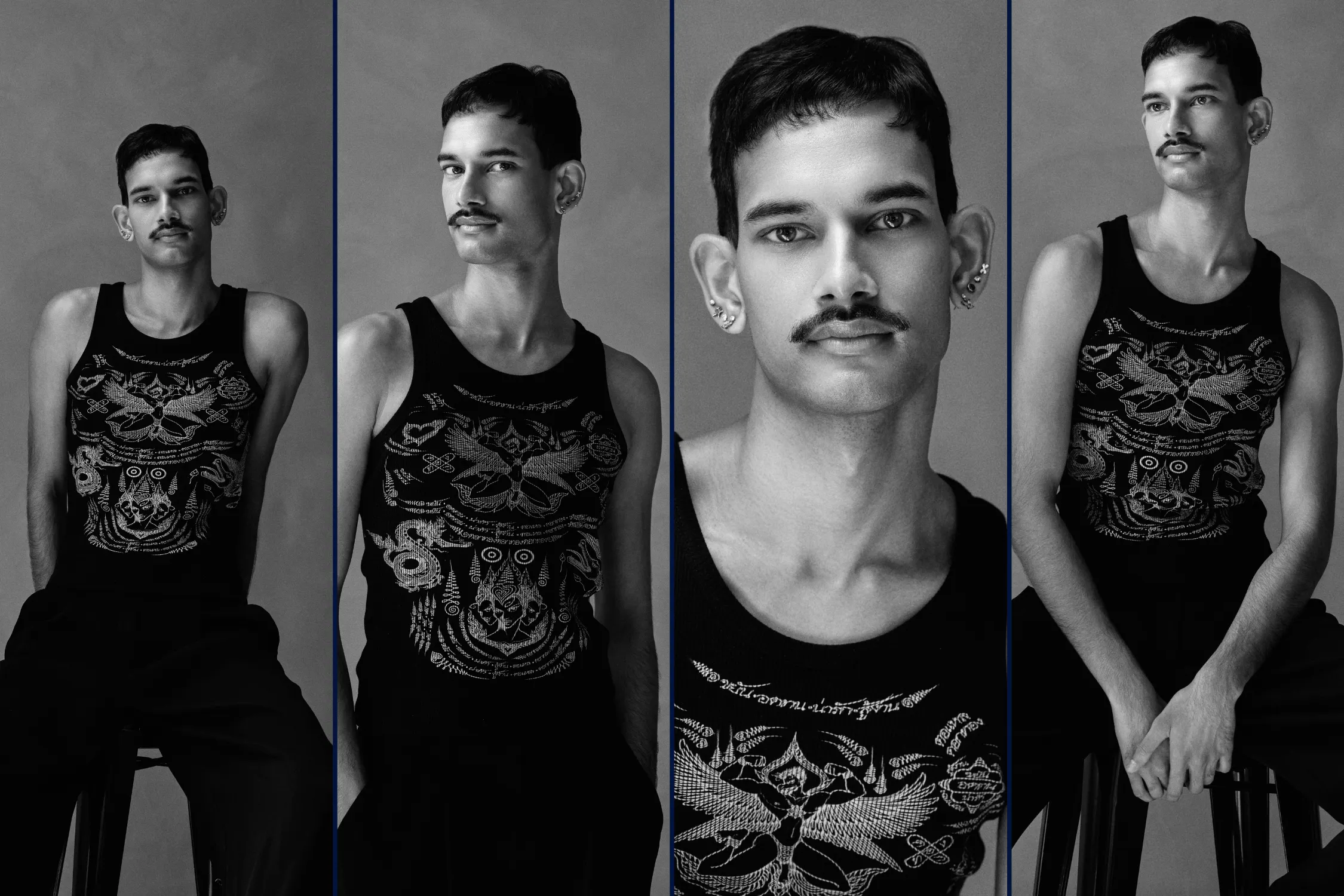
Shaneel's session used a 100cm octabox with a grid as the key light. That setup gives you soft transitions on the skin but with more direction and control than a bare octa. The light still wraps, but the falloff is faster, so the background drops away and the subject gets pulled forward. The portraits came out clean, considered, and quietly confident. It's a reminder that soft light doesn't have to mean diffuse and flat. Add a grid and it starts behaving like a precision tool.
Jojo
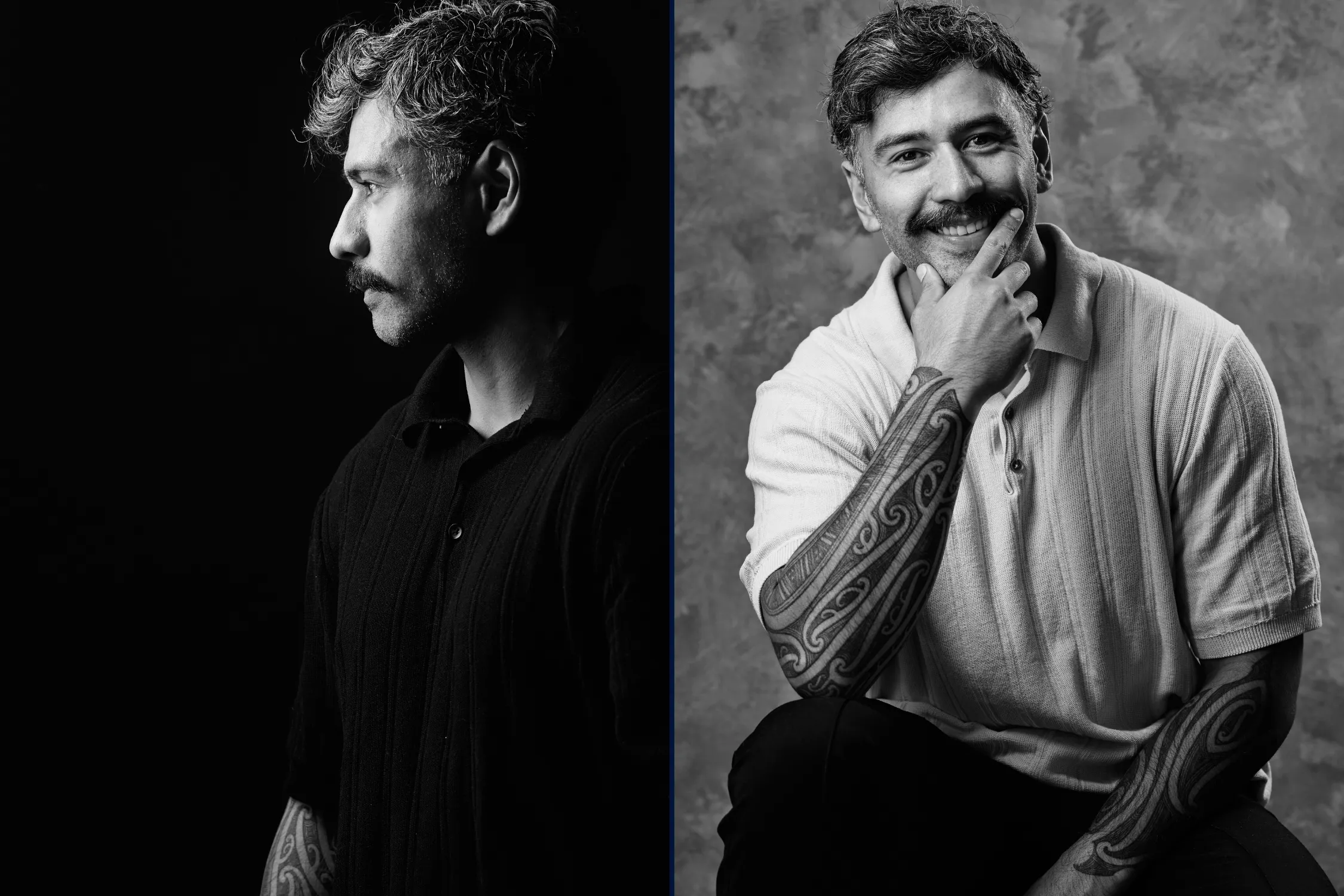
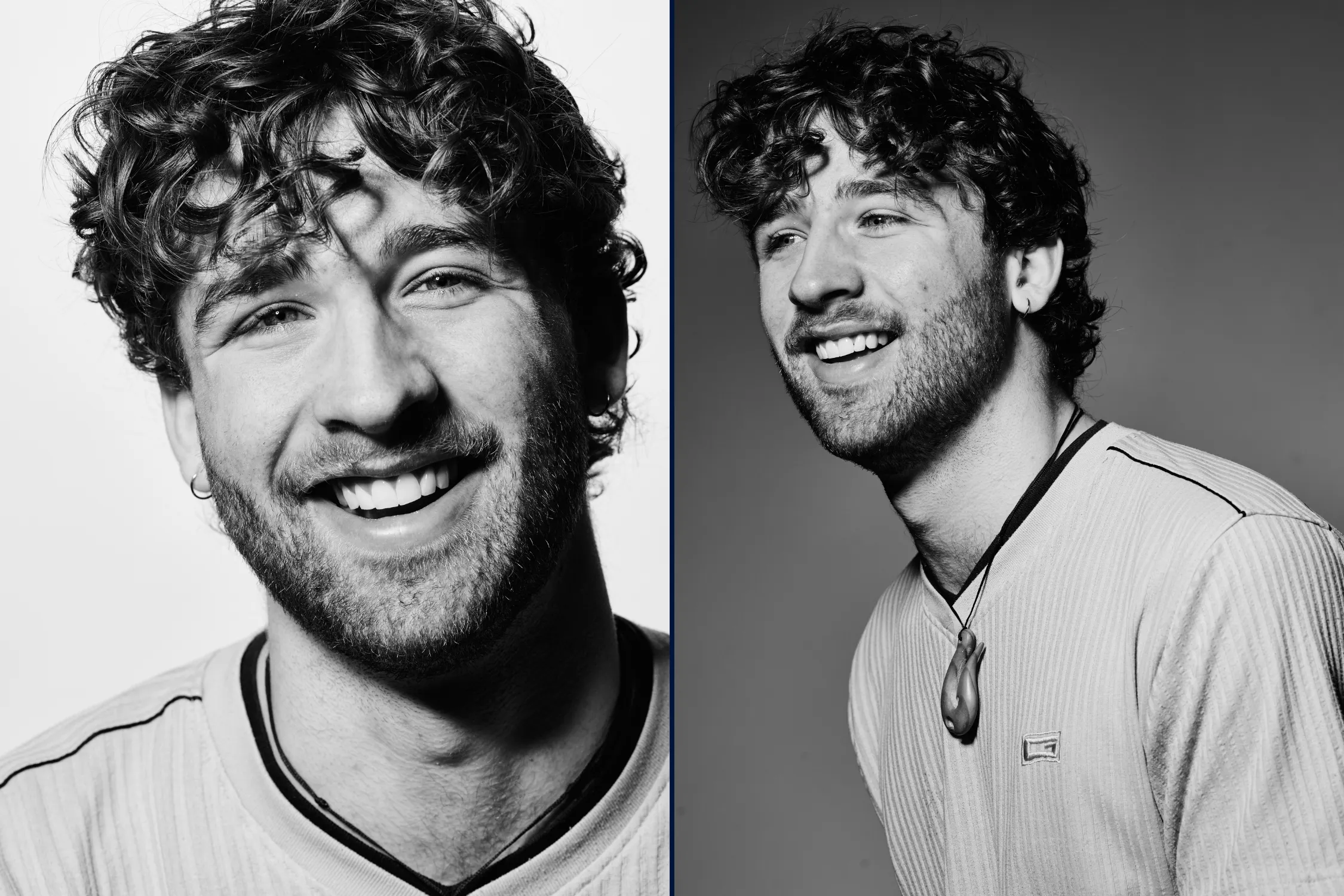
Jojo's session was completely different. She arrived warm, friendly, and immediately easy to talk to, and the session was full of laughter and energy. The interesting thing is that I lit her with hard light, the Elinchrom High Performance Reflector, and it absolutely worked. The contrast didn't fight her warmth, it framed it. The shadows gave the portraits structure, while her expression brought the life. That combination of hard light and a genuine smile is something I'd been told doesn't work, and the Jojo shoot proved that wrong. Some of my favourite frames from the entire series came out of that session.
Mitchell
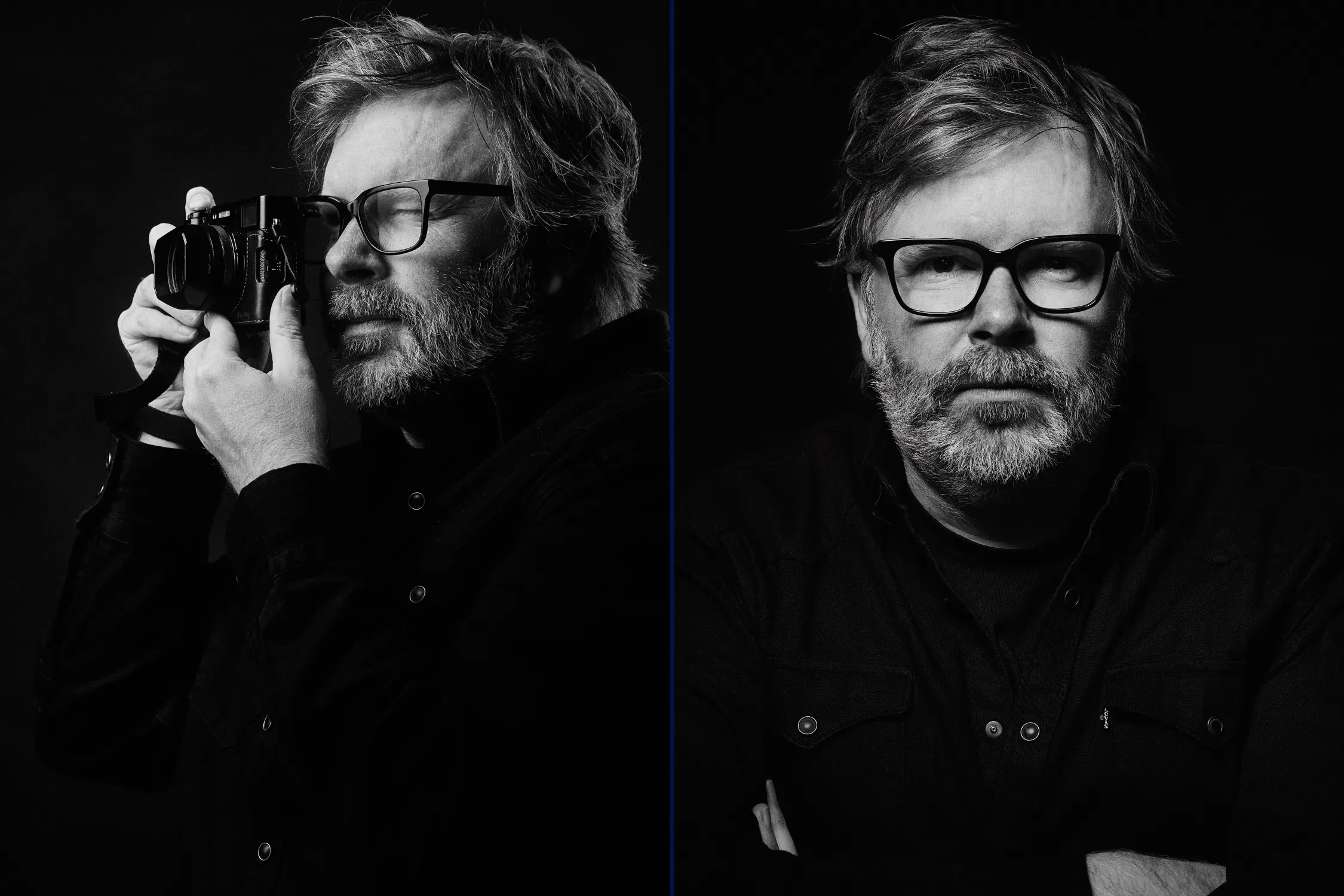
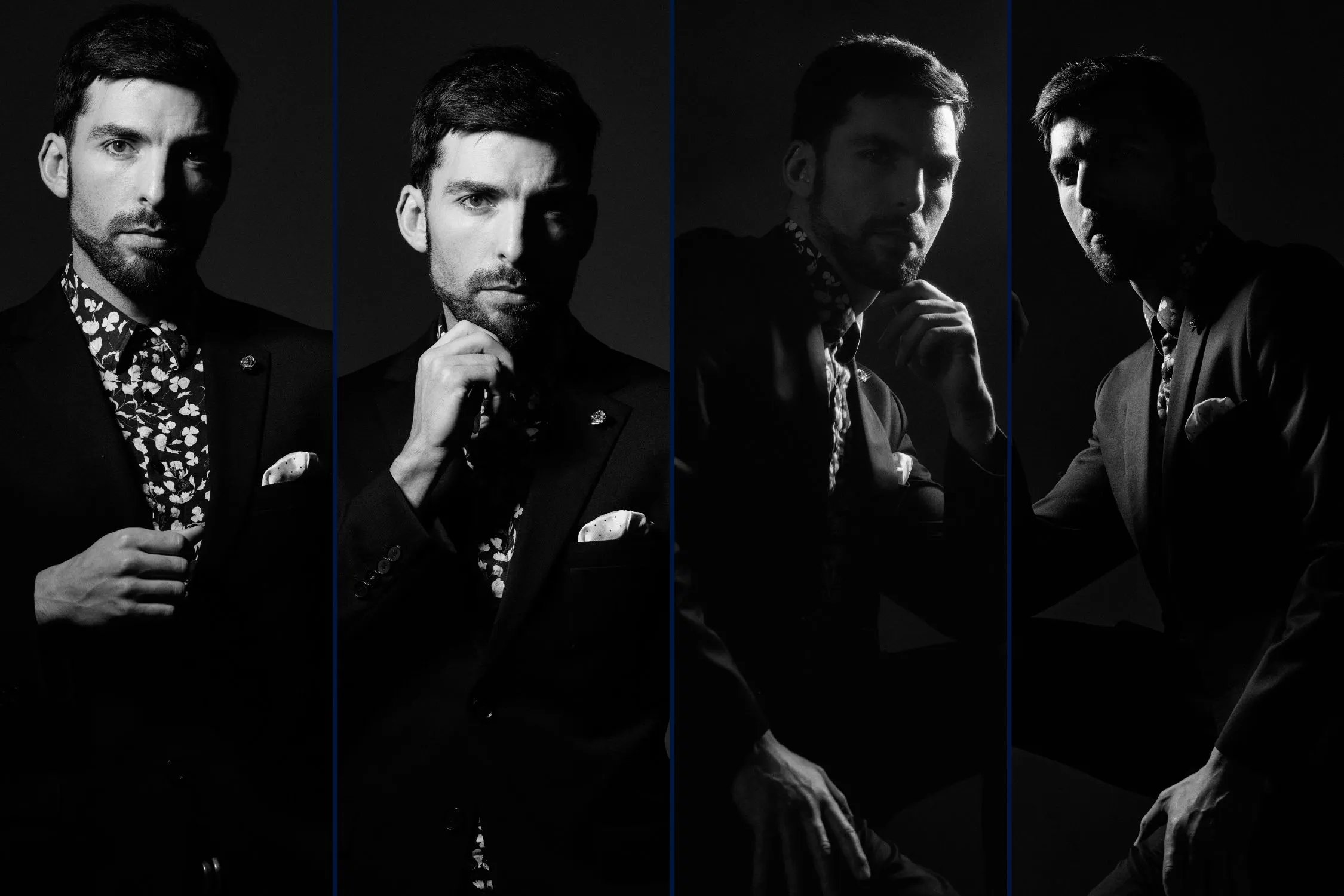
Mitchell turned up in a sharp suit with a pocket square, and the energy was composed, considered, editorial. He had the kind of presence that asks for hard light, so I gave it to him. The High Performance Reflector, angled to catch one side of his face, with the shadow side dropping into near black. The portraits have a magazine quality. They look like film stills.
Same studio, same photographer, three different people, three different results. The light followed the subject in each case rather than the other way around.
That's the lesson, really. Style consistency is overrated when you're photographing humans. Adapting the light to the person almost always produces better work than forcing every subject through the same setup.
A Note on Grain and Noir
Part of the noir-inspired direction of this series came in post. A bit of added grain, deeper blacks, slightly crushed shadows on some frames. Nothing extreme. Just enough to push the portraits a step further from clean digital and a step closer to the feeling of a printed photograph from another era.
Grain in black and white does something specific. It adds tactility. It makes the image feel made rather than captured. Used sparingly, it suits hard light portraiture particularly well, because it reinforces the contrast and edge that the lighting is already establishing.
What I'd Tell Another Photographer Working on a Similar Project
A few practical observations from running this series, for anyone thinking about doing something similar.
Start in mono from the first frame
Watching your portraits build in black and white from the first frame changes the way you light. Either set your camera preview to monochrome or apply a black and white preset across your tethering software.
Use grids more
A grid on an octa, a grid on a beauty dish, a grid on a reflector. Grids give you control over where the light lands and how fast it falls off. They're one of the easiest ways to make a portrait feel more intentional without changing your modifier.
Don't be afraid of hard modifiers
The High Performance Reflector, beauty dish with grid, even a bare bulb with a centre reflector, these tools have been written off as harsh by a generation of photographers who only ever shot through softboxes. They're worth revisiting.
Let the subject shape the setup
But don't assume the obvious choice is the right one. A laughing, warm subject can carry hard light beautifully. A quiet, composed subject can suit soft light. Test the assumption rather than defaulting to it.
Keep the conversation going
The portraits worth keeping almost never happen during the part of the session where you're issuing posing instructions.
About the Project: Invite Only
This is a personal project, not a service. The portraits in this series aren't bookable in the usual sense. People come in by invitation, or by putting their name forward and being selected for a session. There's no fee, no client brief, just an ongoing creative collaboration between me and the people I photograph.
Next Stage: Women's Portraits
The next phase of the series is focused on women, and there's a promo running on Instagram right now calling for expressions of interest. If you'd like to be considered for a session, head over to the Profile Photos Instagram account and put your name forward through the promo post. I'll be selecting subjects from those who get in touch.
It's a chance to be part of an ongoing body of work that's been built around mood, light, and personality rather than the usual rules of commercial portrait photography. If the look of this series speaks to you, I'd love to hear from you.
Following the Series
For everyone else, the project continues to grow on the journal and across the studio's social channels. New portraits go up as they're shot and edited. Worth a follow if black and white portrait photography is your thing.
Bring yourself. The light will follow.
More From the Series
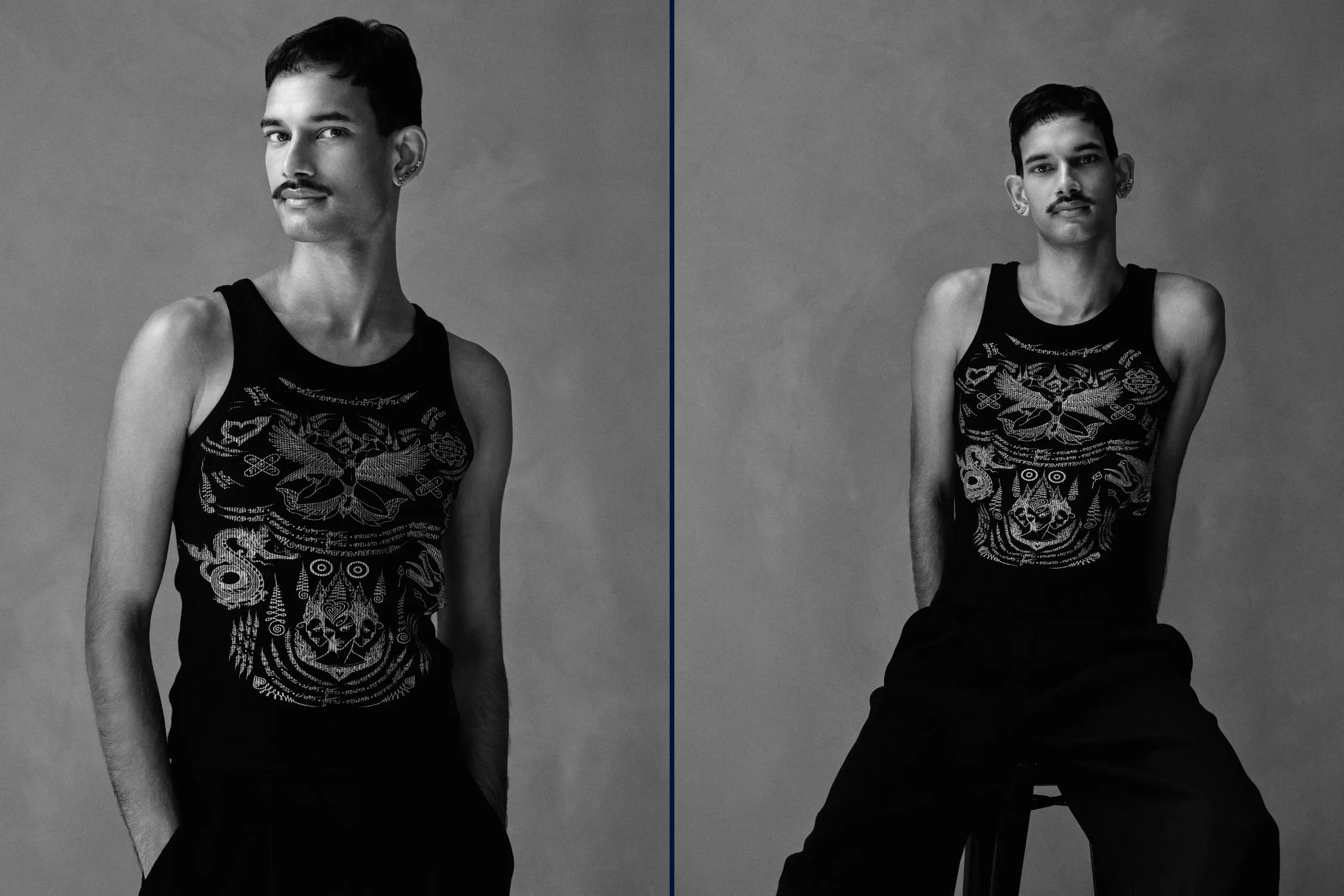
A few more portraits from the project, each lit differently to suit the subject. Three men, three different modifiers, three different feels.